
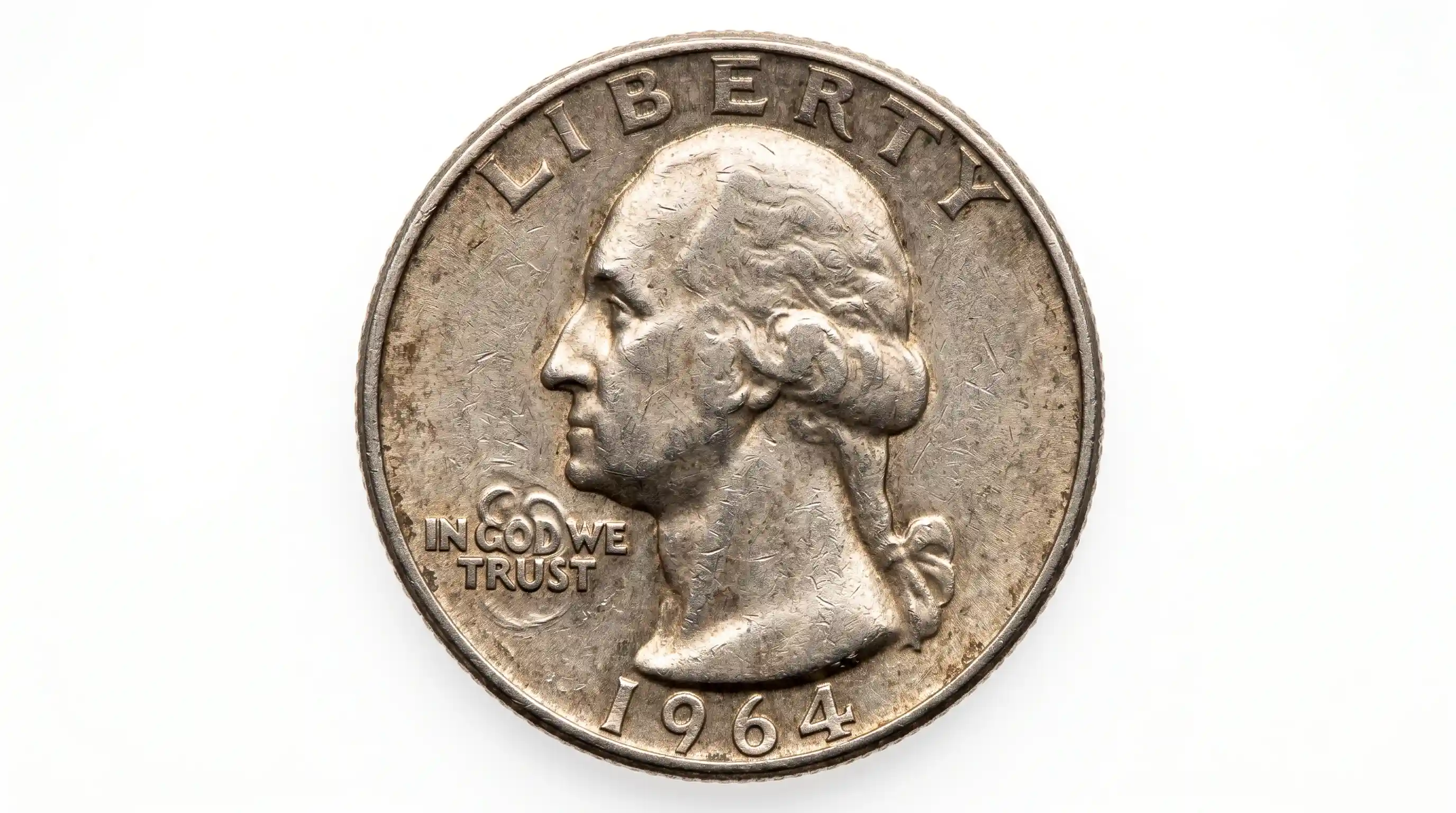
Frequent market deals show standard 2005 quarter prices at $0.30-$0.55. Defect coins showing clear "COD" text sell for $15-$50 based on platform demand.
Record auction sale IN COD WE TRUST quarter price reached $2100. Average transaction cost for mass market coins sits at $8-$12 per piece. Investors looking for these assets should target $5-$30 price ranges for raw coins. High quality certified coins reach $100-$250 prices.
Feature | Value |
Face value | 25 cents |
Metal type | Copper-nickel |
Coin weight | 5.67 grams |
Coin diameter | 24.26 millimeters |
Coin thickness | 1.75 millimeters |
Market Demand Mechanics
Marketing Activity Influence
Speculative lots flood market spaces and distort real value. Sellers posting coins at $500-$1000 prices target inexperienced buyers.
Analysis of finished auction results shows no confirmed sales above $150 for non-graded coins. Price gaps between listing prices and sale prices hit 90% for uncertified units.
Liquidity Factors
Defect visibility strength
Certificate authenticity
Coin field condition
Damage absence
Grading Impact on Value
Independent grading companies change pricing structures. Graded coins receive authenticity guarantees and accurate condition scores.
Grade Market Value Chart
Sheldon Scale Grade | Estimated Value |
MS62 | $20 |
MS63 | $45 |
MS64 | $75 |
MS65 | $130 |
MS66 | $210 |
MS67 (record price) | $450 |
Investment Attraction Method
Surface Condition Check
Investors must perform visual inspections using ten-power magnification tools. Markings on coin fields reduce item value by 20% annually. Lost metal shine indicates circulation wear, limiting market value to $2.
Defect Authenticity Identification
Mint debris clogs show clear border shapes. Metal bumps mimicking letter D have specific texture traits. Counterfeits made by engraving tools show cut marks visible under magnification.
Value Loss Matrix for Storage Errors
PVC holder use → 50% price drop
Humidity exposure → rust formation
Physical impact → liquidity loss
Chemical cleaning → total value loss
Long-term Investment Efficiency
Investing in error quarters requires cycle demand knowledge.
Three-year Price Trend
2024 average sale price: $18
2025 average sale price: $25
2026 average sale price: $34
40% price growth over two years stems from limited quality coin supply.
Auction Statistic Analysis
Auction platforms show growing interest in verified defect coins. Lots with ownership history increase value by 10-15% upon resale. Profit locking requires three-year asset holding minimums.
Average income from MS65+ grade coin resale makes up 25% of initial purchase price.
Market Price Increase Tools
Professional Certification
Plastic holders with grade markings simplify coin sales. Certified coins sell 2.5 times faster than raw counterparts. Grading costs pay off for coins sold above $100.
Asset Storage Conditions
Inert environment
Humidity control
Temperature management
Practical Valuation Tips
Price monitoring requires completed auction tracking. Current purchase price for standard MS63 grade coins reaches $40-$45.
Ignore lots priced above $300 without MS68 grade documentation. Check coin weight on precision scales to ensure 5.67 grams match. Weight deviations indicate poor metal quality or fake status. Buying 10-20 coin batches reduces average purchase price by 30%.
Defect Type Value Comparison
Defect Type | Average Price |
Mint debris (IN COD) | $25 |
Double strike | $150 |
Off center strike | $80 |
Die rotation | $60 |
Price Range Analysis
Market value for IN COD WE TRUST coins depends on letter detail quality. Clear error reading boosts lot value by 50%. Weak error visibility marks the coin as standard circulation stock worth $0.25.
Investors skilled at gauging clog depth gain edges when finding underpriced units.
Grading Economics for Small Investors
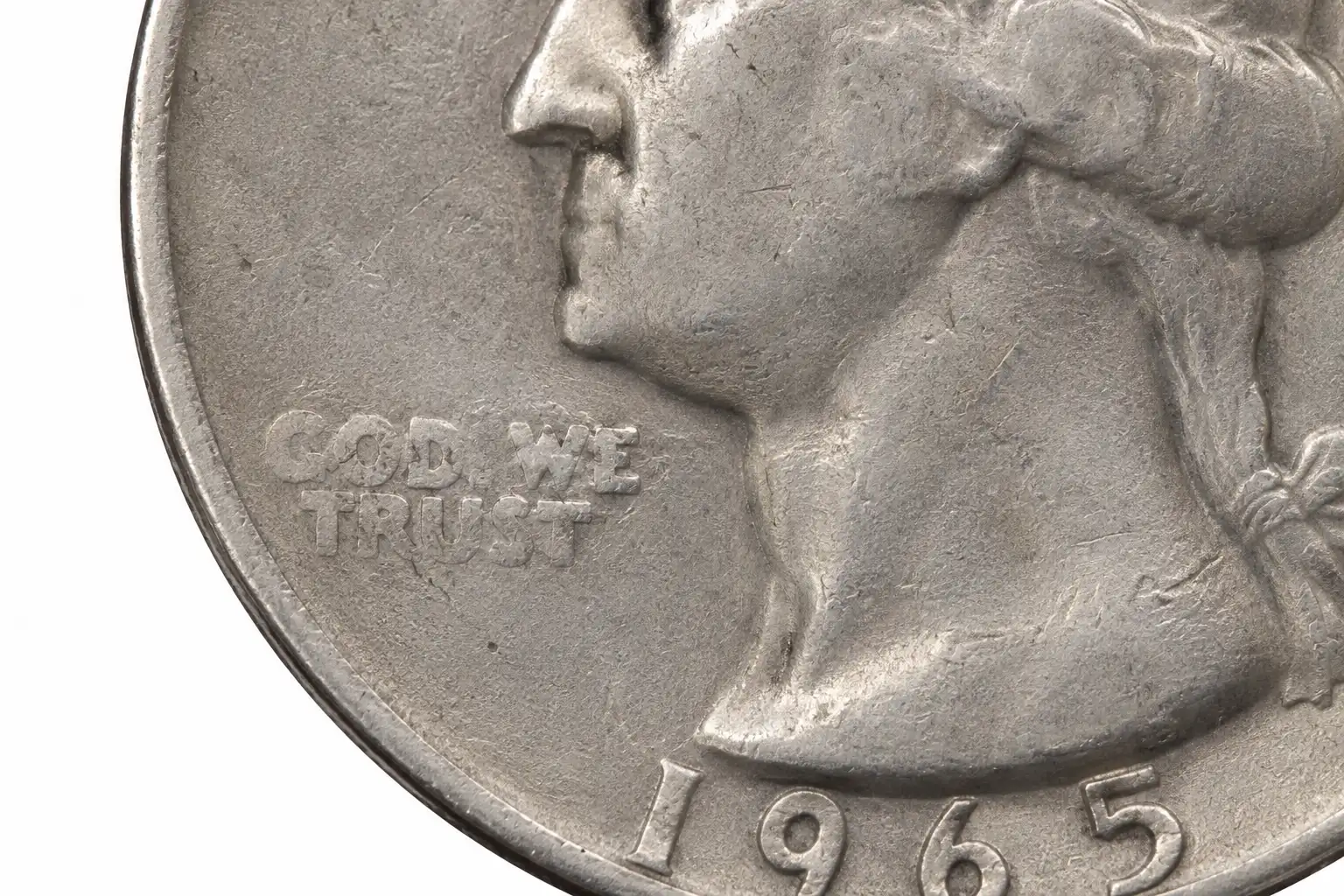
Grading service costs reach $30-$60 per coin. Certification makes sense only for coins valued above $120. MS60-MS62 grade coins do not require mandatory grading due to low market value.
Self-evaluation remains recommended for coins with expected values below $50.
Circulation State Statistics
Only 5 out of 1000 checked coins show clear defects fit for above-face-value sales. Discovery probability sits at 0.5%. Search time increases discovery cost. Buying ready certified lots remains better strategy than independent circulation searching.
Numismatic Community Impact
Social media buzz around IN COD WE TRUST topics inflates demand. Speculative trends last 6-12 months. High price volatility affects coins lacking rare variety status. Investors should avoid buying during peak hype periods.
Long-term Price Forecast
Historical data for similar defects points to price stabilization. 5 years from now will likely see lower interest in mass defects. Investment value stays with perfect MS67+ grade units. Rare defect variety prices will grow 5-7% annually.
Purchase Safety Techniques
Seller review history checks
High resolution photo requests
Similar lot price comparisons
On-platform payment usage only
Following these methods minimizes financial risk. Each purchase requires market situation analysis. Do not trust seller promises regarding huge profits.
Popular

Mobile Security: How to Extend PC-Level Protection to Your Smartphone and Tablet
In today's digital age, our smartphones and tablets have become an essential part of our daily lives. We use them for communication, entertainment, shopping, banking, and so much more. With the increa...

Top 10 Antivirus Features to Look for in 2024
Explore the top 10 antivirus features you need in 2024 to protect against evolving cyber threats. Learn about real-time detection, multilayered protection, ransomware defense, and more in this compreh...

How to Create a Robust Security Setup for Your Small Business
Learn how to create a robust security setup for your small business with this comprehensive guide. Discover key steps to protect your company's data, assets, and reputation from cyber threats with str...

Navigating the Cybersecurity Maze: Essential Tips for Protecting Your Data
Discover essential cybersecurity tips to safeguard your data from cyber threats. Learn how to use strong passwords, secure your network, and protect your devices in this comprehensive guide from PC Se...

The IN COD WE TRUST Quarter Phenomenon Explained Through Mint Errors
Guide to market value for 25 cent coins with IN COD WE TRUST mint errors. Investment data, grade charts, and auction price trends....